
Scope guide · Engineers · Procurement · Project teams
Specify waterjet work around the accepted result.
A useful waterjet scope defines what must be removed, what must remain, how the method will be trialled and who will accept the result. Use this guide for concrete repair preparation, drainage cleaning and marking removal in the Philippines.
Use the scope worksheetDezu technical planning guide · Reviewed 19 October 2026
01 A shared definition of done
What should be agreed before asking for a price?
Give every bidder the same asset limits, required finish and handover evidence. Include the work around the waterjet pass so that access, recovery and inspection are visible in each proposal.
01
Agree the result
One marked asset. Defined limits. Named acceptance authority.
02
Prove the method
A representative trial. Recorded findings. Release to continue.
03
Close with evidence
Measured scope. Inspection records. Exceptions and next action.
Make quotations comparable
Ask each supplier to identify the measured work, setup and repositioning, utility needs, waste handling, inspection support, exclusions and assumptions. Agree how inaccessible areas, additional defects and changed quantities will be reported and authorized.
Pump pressure describes one part of the equipment. For tooling and configuration, see waterjet equipment selection. For a plant outage sequence, see shutdown planning.
02 Three different outcomes
How should acceptance change with the application?
Write the required condition and inspection method for the asset. Use the matrix below to prepare that discussion; the engineer or asset owner sets project-specific criteria and any numerical tolerances.
| Application | Define the limits | Agree the trial | Record completion |
|---|---|---|---|
| Concrete removal | Repair-zone reference, removal limits, reinforcement and adjacent features to retain. Identify the next repair stage. | Agree a representative area and review the achieved removal profile and retained material with the engineer before extending the work. | Map completed zones. Record dimensions using the agreed method, photographs and inspection findings. Obtain release for the next repair stage; list unresolved areas separately. |
| Pipe and drainage cleaning | Line ID, access points, internal size, material, bends, deposit and downstream condition. Distinguish the line to clean from the wider drainage system. | Agree the initial section and how cleaning will be assessed. Identify damaged or inaccessible portions and the recovery point before extending the scope. | Record the length reached, inspected sections, remaining restrictions and debris handling. Use agreed visual, camera or functional checks where suitable. A clear opening alone does not establish whole-line condition or flow capacity. |
| Marking or rubber removal | Mark the treatment area and features to keep. Identify paint, thermoplastic or rubber, pavement condition and the following activity. | Agree a representative strip, permitted residue and surface change, inspection conditions and the pavement owner’s release requirements. | Record the treated area or length and width, matching before/after views, remaining markings and observed surface changes. Obtain the required inspection release before restriping or reopening. |
Technical context: FHWA FP-24 Section 560 describes hydrodemolition calibration and inspection for U.S. federal projects. It is a reference here, not a DPWH specification. NLB’s StarJet information describes marking/rubber removal with vacuum recovery. The work package still needs its own acceptance criteria.
03 Assign the interfaces
Who releases the work and who accepts it?
Name the person responsible for each decision before mobilization. The arrangement below is a discussion framework; the project contract and approved plans determine the actual responsibilities.
Owner or main contractor
Identify the asset, access and work window. Coordinate site release, adjacent activities, utilities and the agreed route for collected waste.
Responsible engineer or inspector
Set the required condition and inspection method. Review the trial, decide changes to the limits and identify who can release the asset for its next stage.
Dezu specialist team
Review method and equipment fit. Define the proposed work package, document trial findings and completed scope, and report exceptions requiring a decision.
Agree three hold points
- Before work starts. Confirm the identified area, access release, protection, water and collection arrangements, approved documents and inspection contact.
- Before extending the trial. Review the observed result and record approval of the proposed method for the agreed conditions. Define when changed conditions require another review.
- Before handover. Reconcile completed quantities, inspection records, remaining defects, waste transfer and the release for the next activity.
Include the complete recovery route
Identify who contains and collects the water and solids, supplies storage or treatment, transports the collected material and confirms the permitted destination. Record the collection point, capacity assumptions and handover evidence in the scope.
The current FHWA FP-24 errata explicitly addresses wastewater and debris disposal. Applicable site and local requirements govern the actual route. A waterjet equipment package does not by itself establish permission to discharge.
04 A result you can trace
What makes before-and-after evidence useful?
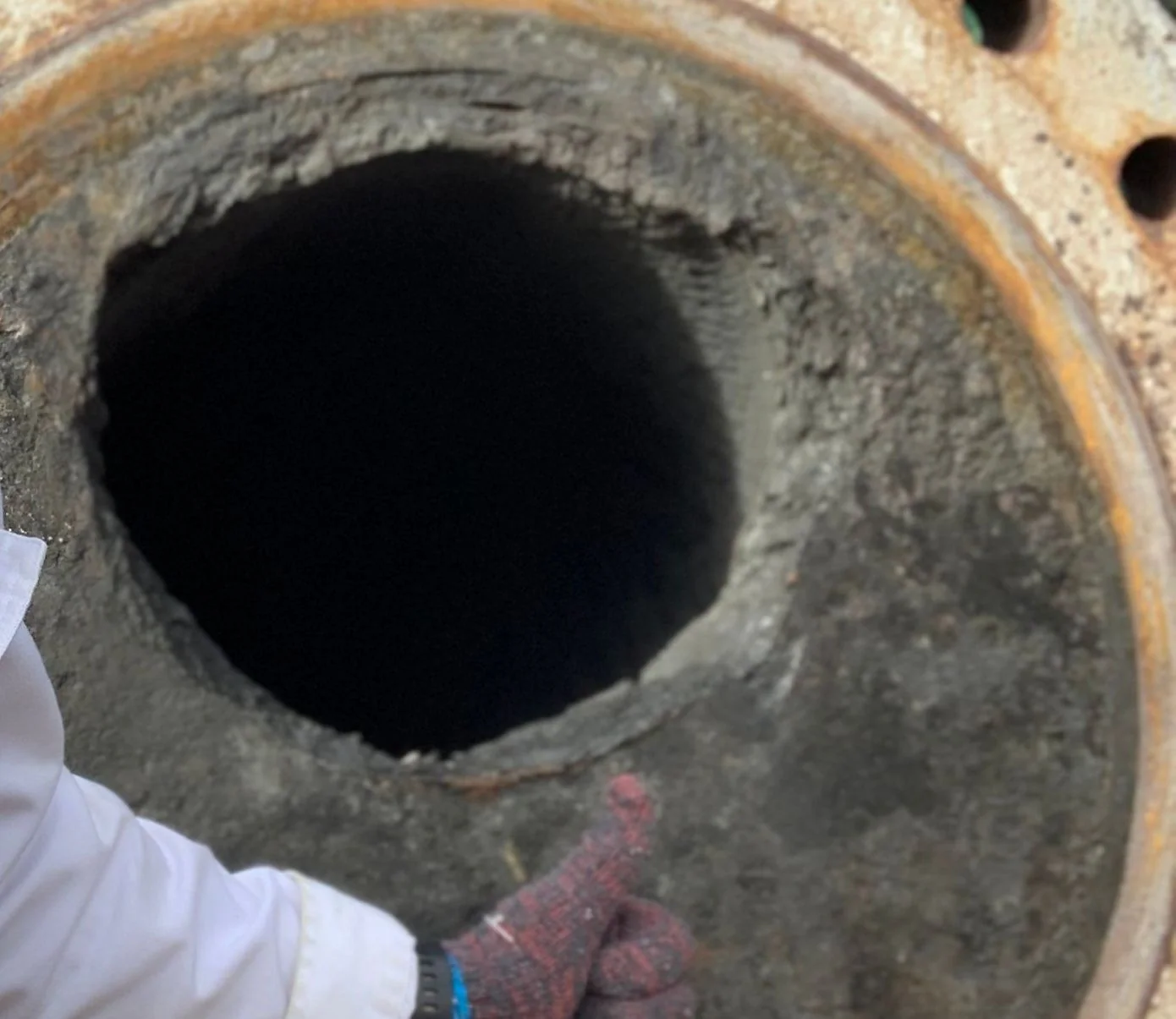
Photograph the same identified location and retain the inspection record beside it. Link each image to the asset, date, work limit and observed condition. Keep measured results separate from what can be seen in a photograph.
Before · Geothermal process pipe, 2020
After · The same bore
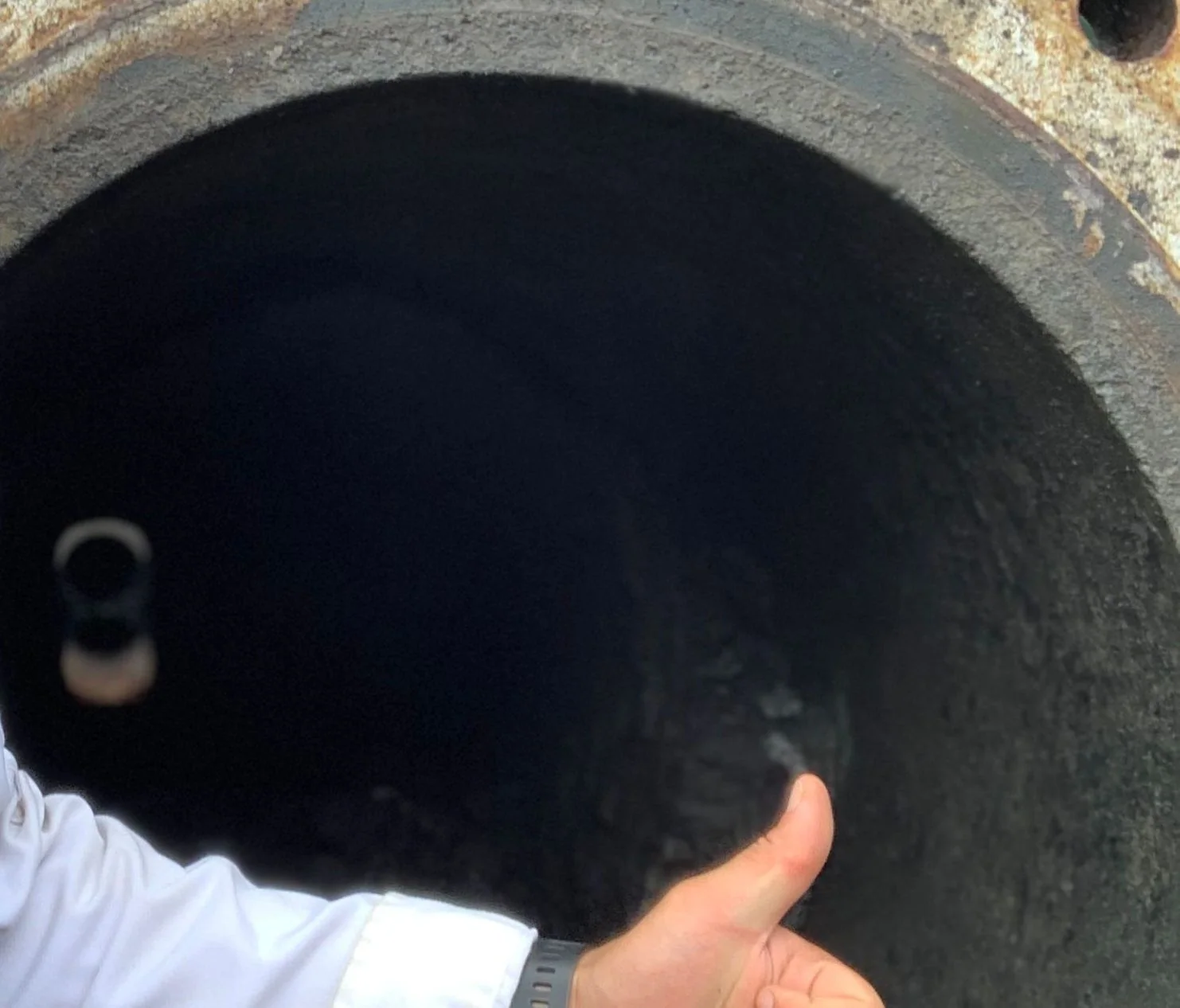
This cleared archive pair illustrates a traceable visual comparison. It does not quantify flow improvement, establish whole-line clearance or show an airport drain. See the pipe-descaling context.
Match the record to the claim
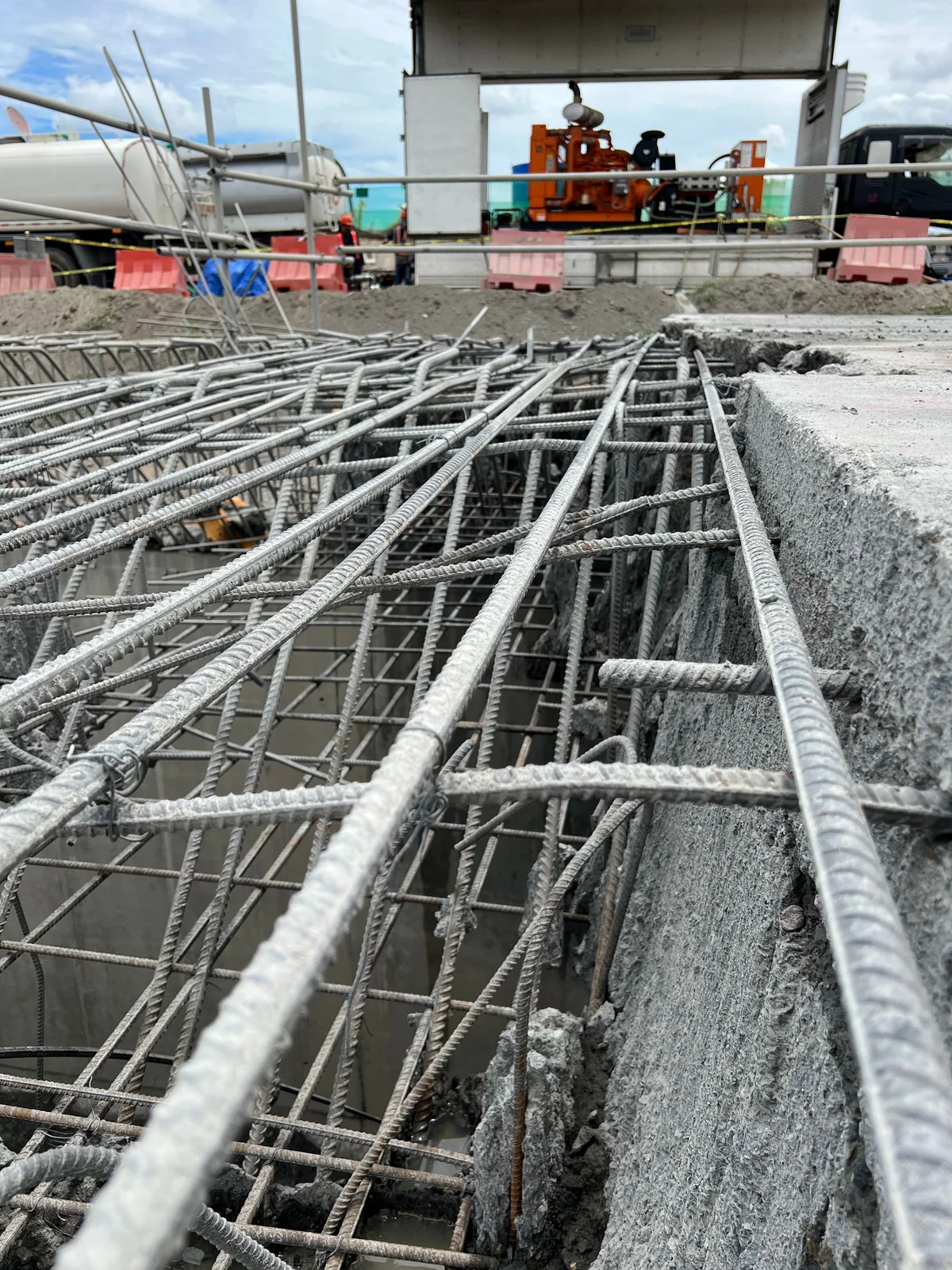
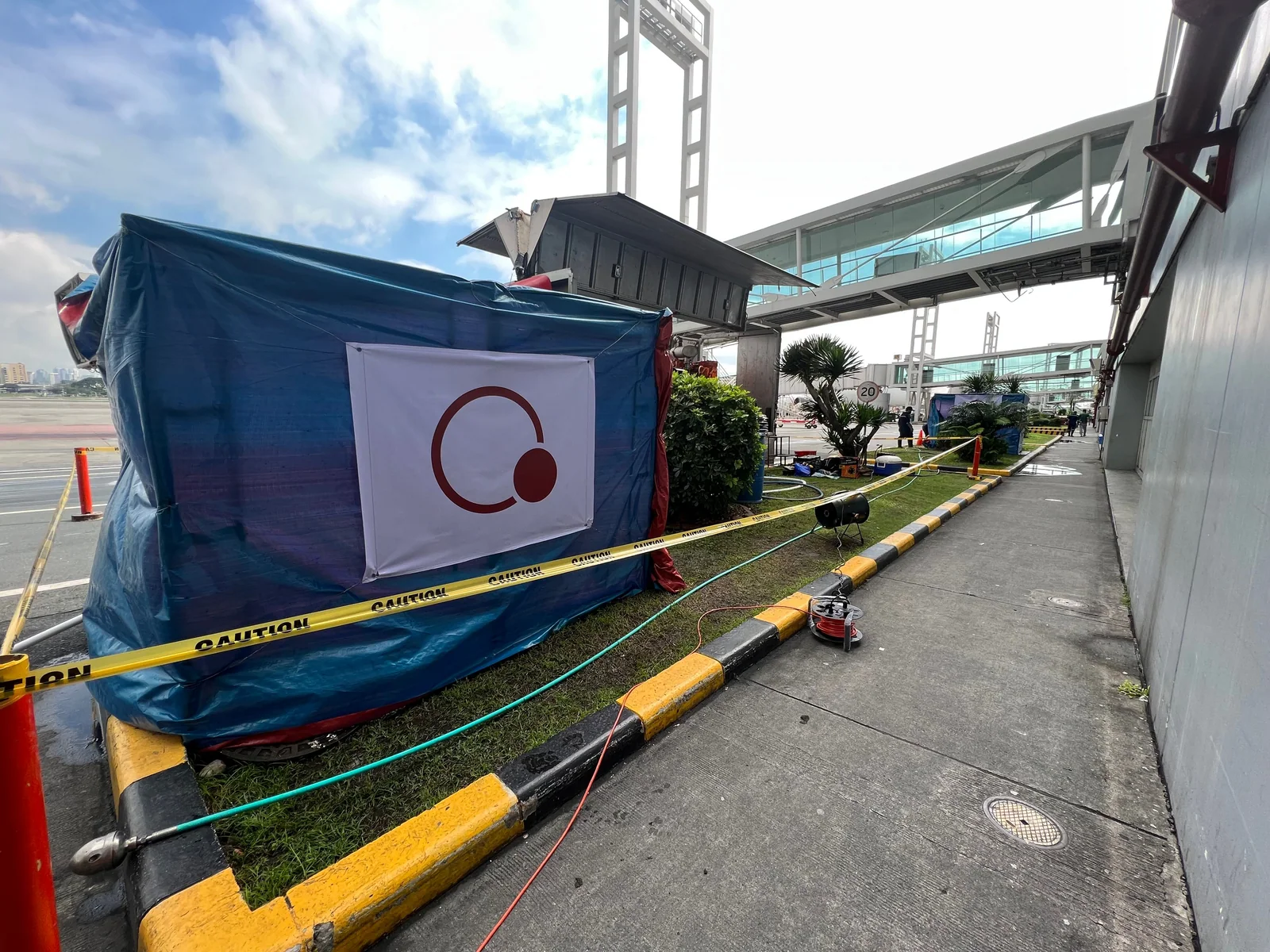
Dezu’s airport drainage case records a cleared terminal drainage line. The railway concrete-removal case records removal of honeycombed concrete with reinforcement retained for the next repair stage.
These are relevant delivered applications. They are not presented as completed DPWH contracts or as measured results for a future project.
Clients remain unnamed in public case studies. Full project records and references are available in a meeting.
05 Scope worksheet · Planning copy
What should your first scope brief contain?
Complete the six fields below with the information available. Mark unknowns explicitly. Use the email draft to share the brief, or print this page for a working copy.
Dezu Corporation · Waterjet scope and acceptance guide · 19 October 2026
dezu.ph/waterjet-method-and-acceptance-guide
01Asset and location
Asset ID, site, marked drawing or line between access points.
02Problem and required result
Observed defect or deposit; condition needed for the next activity.
03Limits and measurement
Included area or line, exclusions, quantity and unit of measurement.
04Trial and acceptance
Representative location, agreed checks, records and approving person.
05Access and recovery
Work window, site release, water, collection and disposal responsibilities.
06Package and decision
Service or equipment supply, BOQ reference, procurement stage and deadline.
Attach to the handover record
- Asset and completed-zone references with agreed quantities
- Trial decision and applicable inspection records
- Matching before/after photographs and their locations
- Remaining restrictions, defects, exclusions and assigned follow-up
- Recovery/waste handover and named acceptance or release
Planning aid. Confirm the project specification, responsible reviewers and approved execution documents before work. This worksheet does not authorize site work.
hello@dezu.ph · +63 917 622 3998
Opens a draft in your email app. Ask for a suitable sharing route for restricted drawings or procurement documents.
06 Technical basis and scope
What supports this planning guide?
This guide combines Dezu’s published application experience with primary technical references. The worksheet and responsibility framework are Dezu’s planning suggestions; they do not replace the project specification.
- FHWA FP-24, Section 560 and errata dated 16 October 2026. Reference for hydrodemolition trials, recorded settings, inspection and waste handling on U.S. federal projects. No numerical requirements are imported into this worksheet.
- StoneAge centralizer information. Centralizers manage jet standoff and support the tool within a pipe. Tool selection still depends on the actual geometry and system configuration. Review the Dezu selection checklist.
- NLB StarJet SRV-2. Manufacturer basis for a marking/rubber-removal system incorporating vacuum recovery. Discuss the application and supply options; configuration and availability are enquiry-specific.
References checked 19 October 2026. For DPWH and other public packages, the applicable bid documents, approved drawings, specification and authorized reviewers govern the work.
What should a waterjet method statement include?
For scope review, identify the asset, work limits, proposed equipment and access, site interfaces, representative trial, water and waste arrangements, inspection requirements and handover records. The execution method statement and risk controls are then prepared for the actual site, equipment and approved scope. This guide is a planning worksheet, not an operating procedure.
Is there one acceptance standard for every hydro jetting job?
No. Concrete repair preparation, pipe cleaning and pavement marking removal need different evidence. The owner and responsible engineer define the required condition, inspection method, measurement basis and release authority for the asset. Put those requirements in the enquiry and agree them before production work.
Does this guide prescribe a DPWH specification or establish bidder eligibility?
No. It helps a project team prepare a specialist scope. Applicable bid documents, project specifications, approved drawings and the procuring entity’s requirements govern the package. Dezu can provide its supporting company and capability documents for that specific review.
Can Dezu review an incomplete scope?
Yes. Share the known asset, problem, photographs and required work window, and mark missing information as unknown. Dezu can identify the survey, trial or engineering input needed before a firm execution scope or equipment configuration is offered. Availability and deployment are confirmed for each enquiry.